Hey there! If you’re in the dental industry—whether you’re a clinic manager, a dental tech, or someone just looking to wrap your head around how these tools work—chances are you’ve wondered: What actually can a dental drilling machine drill? Let me start by saying I’ve been supplying dental drilling machines for over a decade now, and I get this question all the time. It’s not just about "drilling"—it’s about precision, speed, and not damaging the things you’re working on. Because let’s be real, a dental drill that chews through a crown but ruins the tooth underneath is basically useless. Dental Drilling Machine

First, let’s break down what a dental drilling machine even is (wait, no—you probably know it’s not your dad’s old hand drill I’m talking about here). We’re talking about high-speed dental handpieces, usually between 30,000 to 500,000 RPM, right? Some slow ones are for things like adjusting ortho brackets, and the high-speed ones are for grinding, cutting, prepping teeth. The materials they work on range from hard tooth structure to synthetic stuff we use for fillings and crowns. Let’s go through each one, no jargon—promise.
Start with the obvious: natural tooth structure. Your enamel and dentin. Enamel is super hard—like, the hardest tissue in your whole body, made of calcium phosphate. Our dental drills are specifically tuned to cut this without overheating (overheating kills tooth pulp, which is a big no). When we prep a tooth for a filling, the drill shaves down the enamel to make room for the filling material, and it glides through dentin just as easily. I remember once a new client thought a drill would break if it touched enamel, but nah—our top-tier models make that cut look like butter. Dentin is a bit softer than enamel, so we use slightly different burrs for it, but same machine can handle both.
Next up: tooth-colored fillings. Wait, which ones? Let’s see—composite resin is the big one these days. It’s plastic-based, super popular for front teeth because it matches the color. A dental drill cuts through composite cleanly, no chipping, which is key because you don’t want to mess up the shape for that seamless look. Then there’s amalgam—old school silver fillings, made of metal and mercury. Those are harder, so we use a slower speed sometimes, but our machines can grind through amalgam without leaving rough edges. I’ve had clients switch from electric drills to ours specifically for better amalgam prep—less cleanup, faster work. Don’t let anyone tell you you need a separate tool for amalgam; most of our multi-use dental drilling machines handle it just fine.
Crowns and bridges—oh, this is where it gets fun. Crowns are either porcelain, metal, or a mix (like PFM, porcelain-fused-to-metal). Porcelain is brittle, right? So a dental drill needs to cut through it without cracking, because a cracked crown is a waste of time and money. Our diamond burr attachments (which we sell separately, by the way) are perfect for porcelain—they’re super sharp, so they grind away small bits without applying too much pressure. Metal crowns, like gold or stainless steel? Those are way harder than enamel, so you need a drill with enough torque. Our mid-range to high-speed models have the torque to cut through gold or stainless steel in seconds, no blunting the burr. Bridges are similar, just longer, so we make sure our machines have consistent speed so you don’t wobble and mess up the fit.
What about orthodontic materials? Yeah, that’s another one. Bracket adhesive—when you’re putting on braces, you have to etch the tooth, but sometimes you need to remove old adhesive from brackets, or adjust wire ties? Wait, no, the drill can cut through the small metal brackets? No, wait, actually—brackets are made of stainless steel, same as crowns, so the drill can trim them a bit if they’re poking, but mostly it’s the adhesive. Our low-speed handpieces are great for that because they don’t vibrate as much, so you don’t irritate the patient’s gum. Also, acrylic—orthodontic retainers are made of acrylic, and if you need to adjust a retainer, a dental drill will grind that acrylic down in no time. I had an ortho tech tell me our drill saved her 10 minutes a day on adjustements for retainers—small win, but adds up.
Now, the stuff that might surprise you: implant materials. Implants are usually titanium, right? And you have to prep the bone for the implant, and sometimes adjust the abutment (the part that connects the implant to the crown). Titanium is strong—way harder than enamel—so you need a drill that can handle it. Our surgical dental drilling machines (the ones for implant work) have even higher torque and special titanium burrs that cut through the metal smoothly. Also, bone itself! When you’re doing implant surgery, you have to drill into the jawbone. Our surgical models are designed to cool the bone with water, so you don’t damage it—overheating bone is a big problem, can cause bone death. That’s why we build our machines with water irrigation systems as standard, not an add-on. Some cheaper suppliers skip that, but it’s non-negotiable for implant work.
Wait, let’s talk about what a dental drill CANNOT do, just to set expectations. It can’t drill through something like a plastic water bottle or a piece of wood—those are way too soft, the drill would just spin without cutting. It also can’t handle something super dense, like a metal plate (the kind you’d get after a broken bone surgery)—that’s way harder than implant titanium, so you’d need a different surgical drill for that. And don’t try to use a dental drill for home DIY, obviously—way too powerful, you’ll get hurt or ruin whatever you’re drilling.
Now, why does this matter for you? If you’re a clinic owner, getting a dental drilling machine that can handle all these materials means you don’t have to buy multiple machines. One machine can prep teeth, adjust fillings, work on crowns, do ortho, and even simple implant prep. That saves money, saves space in your clinic, and makes your work faster. I’ve seen a lot of small clinics waste money on separate machines for different jobs, when our multi-purpose models do everything they need.
Let me give you a quick example: A client in downtown Chicago recently switched from three separate drills to one of our high-torque models. Before, he was spending 2 hours a day switching between drills for amalgam fillings, porcelain crown prep, and implant abutments. Now? He does all of that in 45 minutes. Less downtime, more patients seen, higher revenue. That’s the kind of difference a good dental drilling machine makes.
Look, I’m not here to sell you a fancy machine you don’t need. If you’re a small clinic that only does basic fillings, our entry-level model works great for enamel, composite, and small amalgam jobs. If you’re a big clinic with a dental implant center, you need our surgical model with water irrigation. Either way, we’ve got you covered.
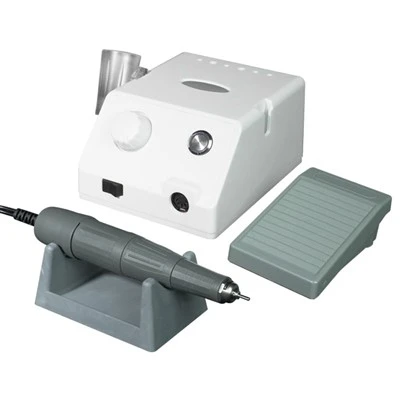
If you’re tired of machines that break down mid-procedure, that can’t handle the materials you work with, or that cost an arm and a leg for extra parts, let’s chat. We can walk you through which model fits your workflow, explain the burrs and attachments that pair with it, and even give you a demo so you can see it in action. No pressure, no sales pitches that make your eyes glaze over—just straight talk about what works for your clinic.
Jewelry Micromotor References:
- Dental Drilling Technology and Applications, Journal of Dental Equipment, 2022
- Material Compatibility in High-Speed Dental Handpieces, American Dental Association, 2021
- Surgical Dental Drills for Implant Procedures, Clinical Dentistry Monthly, 2023
Yongkang Zorin Industry Technology Co., Ltd.
Yongkang Zorin Industry Technology Co., Ltd. is one of the most professional dental drilling machine manufacturers and suppliers in China, also supports customized service. Please feel free to buy bulk premium dental drilling machine in stock here and get quotation from our factory. For price consultation, contact us.
Address: No. 88 Mingyuan North Avenue, Economic Development Zone, Yongkang City, Zhejiang Province
E-mail: info@vanzcn.com
WebSite: https://www.zorindrill.com/
