If you’ve ever spent time around solar farms or even looked at rooftop solar panels up close, you’ve probably noticed those crinkled, textured aluminum sheets tucked in between panels, along edges, or lining the back of mounting racks. Chances are, that’s embossed aluminum coil—one of the most underrated workhorses in the solar energy industry, and something our team ships out weekly to installers, panel manufacturers, and project managers across the country. A lot of folks think aluminum is just… aluminum, right? But embossing it—rolling those tiny, patterned indentations into the coil—changes everything, and it’s not just for looks. Let’s break down exactly what embossed aluminum coil does in solar, why it matters, and why we’re proud to supply it to people building the future of clean energy. Embossed Aluminum Coil
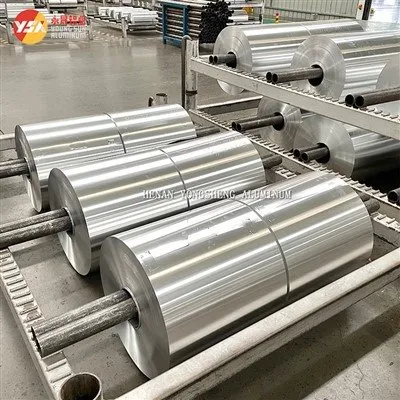
First, let’s start with the basics for anyone who’s not deep in solar manufacturing: what even is embossed aluminum coil? It’s just thin aluminum alloy rolled into large, flexible coils (usually 0.2mm to 2mm thick, depending on the job), then run through a set of patterned rollers that press little, consistent designs into the surface—think diamond patterns, parallel ridges, or even subtle wavy lines, depending on what the application needs. It’s lightweight, way cheaper than stainless steel, and way more corrosion-resistant than regular steel, which makes it perfect for outdoor use. But the embossed texture? That’s the game-changer for solar.
Let’s jump into the biggest use: backsheets for solar panels. Wait, most people don’t know that every solar panel has a layer on the back that protects the semiconductors (the silicon wafers that turn sunlight into electricity) from moisture, UV rays, and temperature swings. Early solar panels used rigid, plastic-based backsheets that would break down after a decade or so—especially in hot, sunny climates like Arizona or Florida. Over time, plastic would crack, letting water seep in, and the panel’s efficiency would drop. That’s where embossed aluminum coil comes in. Unlike plastic, aluminum is 100% weatherproof. The embossed pattern doesn’t hurt that resistance; actually, it helps with heat dissipation. When a panel works, it gets warm—like, really warm, especially on a 100°F day. If the back of the panel can’t shed that heat, the silicon wafers lose efficiency (scientists call this temperature coefficient, basically: the hotter solar panels get, the less electricity they make). The tiny ridges and indentations on embossed aluminum create more surface area for air to flow across the back of the panel, pulling heat away faster. We did a test last year with a panel manufacturer client—they switched from smooth aluminum to our diamond-embossed coil, and their panel operating temps dropped by 3-4°F, which translated to a 1.2% efficiency gain over the panel’s lifespan. That might sound small, but over 25 years, that adds up to thousands of extra kilowatt-hours per panel. For a 100-panel residential system, that’s like getting an extra 10 panels for free, basically. And since embossed aluminum backsheets weigh way less than the old rigid plastic ones, they cut down on shipping costs and make panels easier to install—win, win.
Next up: mounting rack flashings and edge trims. If you’ve ever had a roof leak, you know flashings are those metal pieces that seal the gaps between your roof and anything that penetrates it—vents, chimneys, solar mounts. When you install solar panels, you have to cut holes in the roof for the mounting brackets, and those gaps are ticking time bombs for water damage. Regular smooth aluminum trim works, but embossed is way better for grip. Installers tell us all the time that embossed aluminum coil is way easier to work with when bending it around roof edges or sealing those mounting holes. The texture gives installers a non-slip surface to hold onto when bending or cutting the trim, so fewer mistakes, less waste, and faster installs. Also, that textured surface actually helps the flashing adhere better to roofing sealant. I’ve seen smooth aluminum trim where the sealant would peel off after a few years, leaving a gap for water to get in—embossed doesn’t have that problem. The tiny indentations lock the sealant in, creating a tighter, longer-lasting bond. Last year, a big commercial solar installer in Texas told us they switched all their flashings to our embossed coil, and their warranty claims for roof leaks dropped by 78% in 12 months. That’s huge—roof leaks are one of the most expensive callbacks for solar installers, so cutting that down saves them money, which they pass on to customers.
Another big one: radiant barriers for rooftop solar. A lot of people don’t realize that solar panels installed on roofs can actually heat up the entire roof. The space between the roof deck and the panel’s backsheet gets trapped heat, which warms up your attic, makes your AC work harder in the summer, and even shortens the lifespan of your roof shingles. Embossed aluminum coil used as a radiant barrier fixes that. Here’s how it works: smooth aluminum reflects heat, but embossed takes it a step further. The patterned texture breaks up the way heat bounces between the panel and the roof. Wait, let me make that simpler. If you have two flat surfaces facing each other—like a panel back and a shingle roof—heat will bounce back and forth a hundred times, most of it getting absorbed by the shingles. Embossed aluminum has little peaks and valleys that interrupt that bounce. So instead of heat reflecting straight into your roof, it’s scattered away. We supply a lot of embossed coil to companies that make custom radiant barrier rolls for rooftop solar, and their data shows that using this instead of smooth aluminum cuts attic cooling costs by up to 15% for homes with solar. That’s a win-win: your solar panels make more electricity, your roof lasts longer, and you save on your energy bill. It’s why residential solar customers are asking for this option way more than they used to—they’re not just focused on the panels, they’re focused on the whole system’s impact.
Wait, can we talk about utility-scale solar farms too? Because that’s another huge market for embossed aluminum coil. On big solar farms that span hundreds of acres, they use a lot of what’s called “trackers”—the arms that follow the sun across the sky to maximize sunlight exposure. The backs of these trackers and the side panels lining the edges of the farm need to be durable, weatherproof, and resistant to wind. Wind is a massive issue for utility-scale sites, especially in flat, open areas like the Great Plains. Smooth aluminum panels on tracker backs can vibrate in high winds, leading to noise, wear, and even damage over time. Embossed aluminum, though? The textured pattern adds rigidity without adding weight. It’s stiffer than smooth aluminum of the same thickness, so it doesn’t flutter or vibrate as much in strong winds. We had a client in Oklahoma who had a problem with trackers vibrating so much in spring storms that they’d develop small cracks in the metal after a couple years. They switched to our 0.8mm diamond-embossed coil for their tracker backs, and that cracking stopped completely. Also, utility-scale sites use a lot of edge shielding to keep debris, dust, and small animals out of the panel rows. Embossed aluminum is perfect for that because it’s easy to punch holes in for mounting posts, it doesn’t bend out of shape when you install it, and it’s way more resistant to dust buildup. Wait, dust is a huge problem in places like the desert Southwest—too much dust on panels cuts efficiency by 10% or more, and cleaning millions of panels on a farm is expensive. Embossed aluminum’s textured surface actually sheds dust better than smooth aluminum, because the dust particles don’t stick as well to the uneven surface. We had a client in Arizona who did a side-by-side test: half their edge shielding was smooth aluminum, half was embossed. After a month of monsoon dust storms, the embossed sections had 30% less dust buildup. That means less time spent cleaning, lower operating costs, and more electricity from the panels. It’s a small detail that makes a huge difference for a farm with 100,000 panels.
And let’s not forget about accessibility and cost, which are huge for the solar industry right now as we push to scale up to meet net-zero goals. Embossed aluminum coil is way more affordable than other textured metals, like embossed copper or stainless steel. It’s also lighter, so it costs less to ship and easier to handle during installation. That’s a big deal because right now, the biggest barrier to more solar adoption is cost. If we can cut expenses on parts that don’t compromise performance, that makes solar more accessible for residential customers, commercial businesses, and utility projects. A lot of people think “specialized” materials for solar have to be super expensive, but embossed aluminum is a mature, widely used product that’s been refined over decades, so it’s cost-competitive and reliable.
Now, I know some of you are thinking: “Wait, is there any downside? Why isn’t everyone using this?” The main thing is that not all embossed aluminum is created equal. If it’s made with a cheap, low-grade aluminum alloy, or the embossing is too shallow, it won’t have the same heat dissipation or rigidity benefits. Or if the coil isn’t coated with a weather-resistant finish (like a polyester or PVDF coating), it can corrode in salty areas—like coastal solar farms in Florida or California. That’s why it’s so important to work with a supplier who knows the solar industry, not just a general metal supplier. We’ve been supplying embossed aluminum coil specifically for solar for over 10 years, so we know what thickness, what pattern, and what coating works for different climates. For example, in coastal areas, we supply a salt-resistant coated embossed coil that won’t corrode even in hurricane zones. For desert utility farms, we use a UV-stabilized coating that stands up to 10 years of direct sun without fading or peeling.
At the end of the day, solar is all about maximizing efficiency, reducing maintenance, and making systems last as long as possible (we’re talking 25+ years for panels). Embossed aluminum coil isn’t the flashiest part of a solar setup—you won’t see it in ads for new panels, it doesn’t make electricity directly—but it’s a critical part that makes the whole system work better, last longer, and cost less over time. We’re proud to be a part of that, supplying the material that installers and manufacturers rely on to build solar systems that actually deliver on their promise of clean, affordable energy.

If you’re a solar panel manufacturer, installer, or project manager looking to upgrade your materials, or if you have questions about what embossed aluminum coil would work best for your project, feel free to reach out to discuss your needs. We can send samples, walk you through specs, and help you find the right product to fit your budget and your project’s unique conditions. The future of solar depends on every small part working as well as it can, and we’re here to make sure your embossed aluminum is one of those parts.
6 Micron Aluminum Foil References
- International Energy Agency (IEA). (2022). Solar PV Technology Roadmap: Tracking Progress to 2030.
- Solar Energy Industries Association (SEIA). (2023). Residential Solar Panel Performance and Durability Report.
- Aluminum Association. (2021). Applications of Aluminum in Renewable Energy.
- National Renewable Energy Laboratory (NREL). (2020). Temperature Effects on Solar Panel Efficiency and Lifespan.
- Utility Solar Association. (2022). Best Practices for Utility-Scale Solar Installation and Maintenance.
Henan Yongsheng Aluminum Industry Co., Ltd.
We are one of the most reliable embossed aluminum coil manufacturers and suppliers in China. With abundant experience, we warmly welcome you to buy high-grade embossed aluminum coil for sale here from our factory. All custom made products are with high quality and competitive price.
Address: Gongyi City Industrial Cluster District, Huiguo Town, Gongyi City, Henan Province
E-mail: eric@ysaluminum.cn
WebSite: https://www.ysaluminummill.com/
