Hey everyone, if you’ve ever picked up a box of our Special Tea before, you might’ve noticed we don’t just slap a pretty label on a plastic bag and call it a day. As someone who’s been on the supplier side of this whole tea game for 8 years now, I’ve learned that packaging isn’t just about making things look good—it’s about keeping that perfect, earthy, slightly floral (whatever kind of tea we’re talking about) flavor locked in, keeping it safe on its journey from the farm to your mug, and yeah, making you want to grab it off the shelf (or click “add to cart,” let’s be real). Today I’m pulling back the curtain on exactly what our packaging looks like, and why we obsess over every tiny detail that goes into it. Special Tea
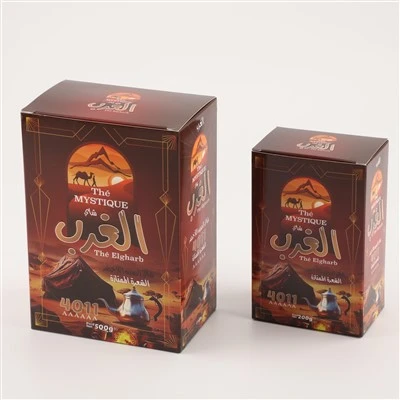
First off, let’s talk tea basics: Special Tea (that’s our stuff—single-origin, small-batch, no weird additives) is finicky. It absorbs moisture like a sponge, picks up scents from literally anything nearby, and oxidizes super fast if it’s exposed to air. So our packaging has to solve three big problems: protect the tea, keep it fresh, and not make me feel like I’m contributing to the planet’s garbage pile (more on that last one later).
Most people don’t realize that the first layer our tea touches isn’t the outer box—it’s a food-grade, multi-layered pouch we use for every loose-leaf tea we sell. Wait, why multi-layered? Let me break it down. The inside layer is food-grade polyethylene, which is totally safe for tea and creates a tight seal that keeps air and moisture out. The middle layer is aluminum foil—this is the unsung hero. It’s 100% light-proof and scent-proof, so even if we ship a batch of jasmine green tea next to a pallet of vanilla extract (yes, that’s happened before), the tea will never taste like extract. The outer layer of the pouch is a thin, printed layer that has our logo, the tea’s origin (like “Darjeeling Second Flush, 2024 Harvest”), and steep instructions, so you know exactly what you’re brewing. For our bagged tea (the individual sachets), we use the same type of material but in a smaller size—no crinkly plastic that sounds like a bag of chips when you open it, just a soft, durable pouch that protects each sachet.
Now, what about those outer boxes we put the pouches in? We used to use regular cardboard boxes like everyone else, but we ran into a problem: when the boxes got wet during shipping (rain, a spilled drink in a warehouse, whatever), they would fall apart and the tea pouches would get damp. So we switched to 100% recycled cardboard that’s coated in a thin, water-resistant layer—no weird chemicals, just enough to keep it intact if it gets a little wet. Also, we make these boxes in a size that fits exactly one pouch, no extra space. Why? Because extra space means the pouch moves around during shipping, which can cause the tea leaves to break into tiny pieces (called fannings, which are great for cheap tea but ruin the smooth flavor of Special Tea). We calculate the exact dimensions of every box for each tea type, from our 2oz sample pouches to our family-sized 8oz tins.
Speaking of tins—we have a few limited-edition blends (like our seasonal pumpkin spice oolong) that come in metal tins, and folks go crazy for them. The tins are made of recycled aluminum, so they’re way sturdier than cardboard, and you can reuse them later for storing snacks, office supplies, even other loose tea. The lid on each tin has a rubber gasket around the edge, which creates an airtight seal that’s even better than our pouches for long-term storage (perfect if you buy a big batch and don’t drink it all right away). We only use tins for blends that have a consistent, strong flavor that holds up over time—no use wasting a tin on a delicate white tea that should be drunk within a month of opening.
Now, let’s get real about sustainability, because I know a lot of you care about this, and so do we. A few years ago, we tested way too many “eco-friendly” packaging options that turned out to be terrible for tea. There’s this plant-based plastic that everyone raved about, right? We tried it for a batch of green tea, and within two weeks, the tea had a weird, grassy taste from the plant material breaking down. Oops. Then we tried paper pouches, and they absorbed moisture so fast that half the batch went bad during shipping. So we stuck with the materials that work for the tea, but we’ve found ways to make them better for the planet. All our cardboard boxes are 100% recycled, no virgin fiber. All our aluminum tins are made from post-consumer recycled aluminum, not new metal. Even the ink we use for printing? It’s soy-based, no toxic chemicals that leach into the tea or the environment. And the best part? Every single one of our packaging materials is recyclable—just rinse it out, toss it in your bin, done. No weird plastic-laminated stuff that can’t be recycled, no “compostable” materials that only break down in a industrial compost (most of us don’t have that at home, let’s be honest).
Wait, let’s talk about the little details that no one seems to notice until they’re gone. For example, every single pouch has a resealable zip lock at the top. Why? Because if you open a pouch and don’t use all the tea, you can zip it back up tight, so no air gets in. We used to just heat-seal the pouches, but customers kept emailing us saying they hated wasting half a pouch because they couldn’t reseal it. So we added the zip locks, and sales went up a little, actually—people feel more comfortable buying our bigger sizes because they know the tea will stay fresh. Another thing: our labels don’t have any extra stickers, no plastic sleeves over the boxes, no tiny plastic tabs that you have to peel off. All the info is printed directly on the box or pouch, so there’s zero extra plastic waste from the packaging itself. I had a customer email me last month saying they saved $15 a month because they weren’t buying plastic stickers to cover up labels on their other tea. That’s exactly the stuff we care about.
And let’s not forget shipping packaging. When we send orders out to you, we use 100% recycled paper mailers, no bubble wrap (we switched to crumpled recycled paper), and no plastic tape—we use water-activated paper tape, which you can actually pull off and recycle, no residue left. We even put a little thank you note inside that’s printed on 100% post-consumer recycled paper, with a stamp made from soy ink. It’s the tiny stuff, but it adds up, right?
Wait, I should address a common question I get: do we overpackage our tea? Let’s think. If you buy a $2 bottle of soda, it’s in a plastic bottle with a plastic cap and a plastic label. If you buy our Special Tea, which is hand-picked from small farms, processed in small batches, no chemicals, do you really want it wrapped in something that’s going to break on the way to your house? Or worse, get damaged and have tea leaves spilled all over your order? No. We don’t package to make it look fancy (though we do try to make it nice enough to give as a gift, don’t get me wrong). We package to protect the quality you’re paying for. Because if we skimped on packaging, you’d open a box and the tea would taste stale, or the leaves would be broken, and that’s not the Special Tea standard we’ve built our business on.
I’ve had people ask me why we don’t just use bulk bins for tea, like a grocery store. And yeah, bulk bins are great for some things, but for our tea? Once it’s out of its sealed pouch, it’s exposed to moisture and air in the store, so by the time it gets to you, it’s not special anymore. We want you to get the exact same flavor as the day the tea was processed at the farm, so keeping it sealed until you open it is non-negotiable.
Another thing we test all the time: shelf life. Our pouches have a shelf life of 12 months from production, and our tins have 18 months. We mark the production date on every single package, so you know exactly how fresh it is when you buy it. No “best by” dates that are 2 years out, just a real date so you can enjoy the tea at its peak. We track that too—if a tea is sitting on a shelf for more than 6 months, we discount it and make sure it’s sold before it hits that 12-month mark. No stale tea leaving our warehouse.
Now, I know some of you might be thinking, “All that stuff sounds great, but what if I buy this for a café or a restaurant?” Oh, right! We’re not just selling to regular customers—we’re suppliers for small cafés and restaurants too, and their packaging needs are a little different. For bulk orders, we use extra-large, industrial-grade, food-grade pouches that are even thicker than our retail ones, so they can hold 5lbs or 10lbs of loose tea and stay fresh for months. We also work with cafés to create custom labeling with their logo, so they can serve our tea under their own brand. And for wholesale, we prioritize packaging that’s easy for them to store—stackable tins or boxes that fit in their storage closets, no weird shapes that take up extra space. We even include a small sample of a new blend with every wholesale order, so they can test it with their customers.
Wait, let’s be honest—when I first started in this business, I thought packaging was just a side thing. I was focused on finding the best tea, negotiating with farmers, getting the price right. But after the first year, we had a batch of Darjeeling tea that got damaged in shipping because we used flimsy outer boxes. We had to refund every customer, and that was a huge loss. That’s when I realized: packaging is part of the product. If your packaging fails, the product fails. So we started obsessing over every detail, testing every material, asking customers for feedback (even the annoying ones who email to say the pouch is too hard to open—we fixed that, by the way, added a little tear tab at the top).
Now, I get messages from all the time, people saying they love how our tea tastes, and they even keep the tins or boxes to store other things. That’s the point, right? We want our packaging to be useful, not just disposable. We don’t want you to throw it away after using the tea—we want it to have a second life. That’s why we chose durable, recyclable materials that can be repurposed, not cheap plastic that ends up in a landfill.
So if you’ve never looked at the packaging of our tea before, next time you open a box, take a second to check it out. Feel the pouch, read the label, notice how it’s sealed tight. Every part of it is there for a reason— to keep your tea fresh, to keep it safe, and to be as kind to the planet as possible.

If you’re a café, restaurant, or even a boutique store looking to source high-quality Special Tea with packaging that works for your business, hit us up. We’re not a huge corporate supplier—we’re a small team that cares about every order, and we’ll work with you to find the right packaging and tea blends for your needs. No generic, one-size-fits-all stuff here—just honest tea, honest packaging, and honest service.
Gunpowder Tea References:
- Food and Agriculture Organization of the United Nations. (2022). Packaging and Preservation of Horticultural Products for Small-Scale Producers.
- American Tea Association. (2023). Best Practices for Loose-Leaf Tea Packaging and Shelf Life.
- Sustainable Packaging Coalition. (2021). Guidelines for Food-Safe, Recyclable Packaging for Dry Goods.
Hangzhou Baoda Tea Co., Ltd.
As one of the most professional special tea manufacturers and suppliers in China, we’re featured by quality products and good service. Please rest assured to wholesale bulk customized special tea made in China here from our factory. Welcome to contact us for free sample.
Address: Room 1601, Building 2, New City Times Square, Shangcheng District, Hangzhou, Zhejiang, China
E-mail: baoda_yangshan@163.com
WebSite: https://www.hz-baoda.com/
