Hey there, if you’ve ever knelt down in your garage, workshop, or backyard, staring at a frayed hose lying in a puddle of water or a half-empty bucket of fertilizer, you’ve probably asked that same question: How do I pick the right hose mender so this hose doesn’t leak all over the place a month later? As someone who’s been supplying hose menders for over a decade—talking to plumbers, gardeners, farm hands, and even a few home DIYers who’ve tried to fix a hose with duct tape and a prayer—I’ve seen every mistake in the book. The good news is, choosing the right mender doesn’t have to feel like solving a puzzle. It’s all about matching the mender to the hose you’re working with, not just grabbing the first package on the shelf. Hose Mender
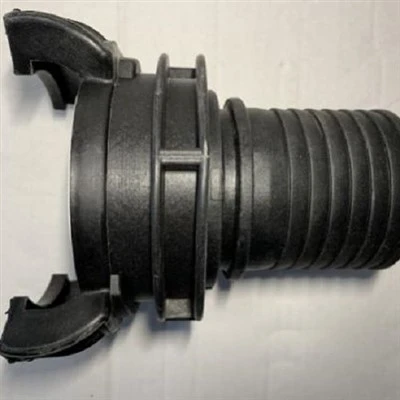
Let’s start with the basics you can’t skip, because cutting corners here is how you end up with a leak that drips so much you’re filling your garden watering can twice as often. First, you need to know the size of your hose. This isn’t just “it fits”—it’s the exact inner diameter (ID) of the hose, because a 5/8-inch mender won’t work on a 1/2-inch hose, no matter how hard you twist. I’ve had customers bring me a hose they measured wrong at home, and their mender either falls out or crushes the hose wall so bad it splits under pressure. If you’ve got a flexible garden hose, that’s easy enough to measure: take a ruler, slide it inside the hose, and measure straight across the opening. For heavier-duty hoses—like the ones plumbers use for water lines or farmers use for chemical sprayers—sometimes you’ve got to check the outer diameter too, because thick rubber walls change how the mender grips.
Next, what’s the hose made of? This is the big one most people overlook. A regular vinyl garden hose is totally different from a reinforced rubber hose or a chemical-resistant hose for pesticides. Vinyl is soft, so a plastic compression mender works just fine, because it crimps tight against the soft material without cracking it. But if you’re working with a heavy-duty rubber hose, that plastic mender won’t hold—rubber is tough, and plastic is brittle; after a few uses, the mender will snap or the crimp will pull loose. Same goes for hoses that carry harsh chemicals: the mender’s material has to be chemical-resistant too. We supply menders made with Buna-N rubber for those, because it stands up to fertilizers, herbicides, and even mild solvents better than standard plastic.
Then there’s pressure. If you’re using a hose for simple garden watering, the maximum pressure is probably around 50 PSI, so a basic mender is fine. But if it’s a hose that runs a pressure washer, or a farm hose that carries water from a well at 150 PSI, you need a mender designed for higher pressure. That means metal menders—usually brass or galvanized steel—with a double crimp or a threaded connection, not just a slip-on compression. Plastic menders might work for low pressure, but they can burst when the pressure spikes, which is a safety hazard and a waste of a good hose.
Wait, also—what type of mender are we talking about? There are a few main styles, and each has a time and place. Let’s break those down. The most common is the compression mender, which is two pieces that slide into the hose and then you tighten a nut to squeeze the hose tight against the mender bars. These are easy to install, no special tools needed—just a screwdriver or a pair of pliers. Good for garden hoses, simple repairs. Then there’s the insert mender, which has metal prongs that you slide into the hose and then crimp with a tool like a hose crimper. These are way more secure for high-pressure hoses, because the prongs dig into the hose wall so they don’t pull out. We sell a lot of these to farm supply stores and plumbers, because they hold up even after months of heavy use. And don’t forget threaded menders, which have male and female threads on the ends to connect to other fixtures, like a faucet or a spray nozzle. Those are for when you’re not just repairing a split in the hose, but connecting two hoses together or adding a new attachment.
Now, let’s talk about the mistakes I see every single week, because avoiding these will save you so much frustration. First, buying a “one-size-fits-all” mender. There’s no such thing, trust me. I had a customer last spring who bought a pack of menders advertised for “standard hoses,” and his heavy-duty 5/8-inch reinforced hose ended up splitting because the mender was too loose. He had to come back and exchange them for a brass insert mender, and he told me he’d wasted three hours trying to install the wrong ones. Second, using a plastic mender for a high-pressure application. I remember a guy who used a plastic mender to fix his pressure washer hose, and when he turned it on, the mender blew out and water hit his garage door so hard it left a dent in the trim. He laughed about it later, but he had to buy a whole new mender and his garage trim got a new coat of paint. Third, not preparing the hose end before installing the mender. If the hose end is frayed, or has a cut that’s uneven, the mender won’t seal right. You have to cut the hose straight with a sharp utility knife or a hose cutter—no scissors, because they leave a ragged edge that makes it hard to get a tight fit.
Let’s use real examples, because that’s what sticks. A week ago, I talked to a gardener in Ohio who had a split in her vinyl 1/2-inch garden hose. She tried a plastic compression mender from a big box store, and it leaked so bad she was using three times more water than she needed. She came to us, and we suggested a vinyl-specific compression mender with a rubber gasket, which seals tight to soft vinyl. She installed it in five minutes, and she hasn’t had a leak since. Another example: a plumber who called us about repairing a 3/4-inch reinforced rubber hose for a residential water line. He had been using plastic menders, but they kept failing under the pressure of the municipal water supply. We sold him brass insert menders with a double crimp, and he told me last month that those hoses have been holding for over six months, no issues.
What about when to go for a more expensive mender? It’s tempting to grab the cheap pack of plastic menders for a few dollars, but if you’re repairing a hose that costs $20 or $30, spending $5 on a good mender is way better than having to replace the whole hose in a month. We’ve had customers who buy the cheap menders for a $10 hose, and then call us a week later because the mender failed and ruined their hose. At the end of the day, the mender is the part that keeps your hose connected—skimping here is just false economy.
Now, a quick installation tip, because even a good mender won’t work if you install it wrong. For compression menders: cut the hose straight, slide the two halves over the split ends, tighten the nut clockwise until it’s snug—don’t over-tighten, because you’ll crack the mender or crush the hose. For insert menders: cut the hose, push the mender into the hose until it’s all the way in, then use a hose crimper to squeeze the metal prongs into the hose wall. That’s it, it’s simple, but it’s important to make sure the mender is fully seated before crimping.
At the end of the day, choosing the right hose mender boils down to four simple questions: What size is my hose? What is my hose made of? What’s the pressure it will be under? And what style of mender do I need? If you can answer those, you won’t waste money on the wrong product, and you won’t end up with a leak that ruins your day.
As someone who’s been in this business for years, I’ve learned that good customer service means more than just selling a product—it means helping someone pick the right one. If you’re not sure, don’t guess. Reach out, tell us about your hose: size, material, what it’s used for, and we’ll point you to the mender that will work for you. No confusing sales pitches, no overcharging for a fancy product you don’t need—just real advice from someone who’s fixed his fair share of hoses, and helped hundreds of others do the same.
If you’re ready to get the right hose mender for your repair, or if you have questions about what will work for your specific hose, get in touch to discuss your needs. We’re here to help you make the right choice, so your hose stays working for years to come.
Safety Clamp References
- American Hose Manufacturers Association. (2021). Hose Repair and Fitting Guidelines for Residential and Agricultural Applications.
- Occupational Safety and Health Administration. (2020). Pressure Hose Safety Standards for Industrial and Commercial Use.
- Plastic Pipe and Fittings Association. (2019). Compression Fitting Compatibility for Flexible Hose Materials.
- National Gardening Association. (2022). Garden Hose Maintenance and Repair Best Practices for Home Gardeners.
- Rubber Manufacturers Association. (2021). Chemical Resistance Guidelines for Hose Fittings Used in Agricultural and Horticultural Applications.
Suzhou Fuyikang Metal Industrial Co., Ltd.
As one of the most professional hose mender manufacturers and suppliers in China, we have world-leading production equipment and strong manufacturing capabilities. We warmly welcome you to buy bulk high quality hose mender for sale here from our factory.
Address: No.26.Mudong Rd,Mudu Town, Wuzhong Distric, Suzhou City,Jiangsu Province,China
E-mail: SZFYK@SZFUYIKANG-COUPLING.COM
WebSite: https://www.fyk-coupling.com/
