Stainless steel plates and sheets are widely used in various industries due to their excellent properties such as corrosion resistance, high strength, and aesthetic appeal. One common question that customers often ask is about the weight of stainless steel plates and sheets per square meter. As a supplier of Stainless Steel Plate&Sheet, I’m here to provide you with a detailed understanding of this topic. Stainless Steel Plate&Sheet

Understanding the Basics of Stainless Steel Weight Calculation
The weight of stainless steel plates and sheets per square meter depends on several factors, primarily the thickness of the material and the density of the specific grade of stainless steel. Different grades of stainless steel have slightly different densities because of their varying chemical compositions. For example, common grades like 304 and 316 stainless steel have different amounts of alloying elements such as chromium, nickel, and molybdenum, which affect their densities.
The density of stainless steel typically ranges from about 7,500 kg/m³ to 8,000 kg/m³. For most practical purposes, we often use an average density value. For 304 stainless steel, which is one of the most widely used grades in general applications, the density is approximately 7,930 kg/m³. For 316 stainless steel, which is more corrosion – resistant and often used in marine and chemical environments, the density is around 8,000 kg/m³.
Calculating the Weight per Square Meter
The formula to calculate the weight of a stainless steel plate or sheet per square meter is straightforward:
[W = \rho\times t]
Where:
- (W) is the weight per square meter (in kg/m²)
- (\rho) is the density of the stainless steel (in kg/m³)
- (t) is the thickness of the plate or sheet (in meters)
Let’s take some practical examples to illustrate this. Suppose we have a 304 stainless steel sheet with a thickness of 1 mm (or 0.001 m). Using the density of 304 stainless steel ((\rho = 7930) kg/m³), we can calculate the weight per square meter as follows:
[W=7930\times0.001 = 7.93\space kg/m^{2}]
If we have a 316 stainless steel plate with a thickness of 5 mm (or 0.005 m), with a density of 8000 kg/m³, the calculation is:
[W = 8000\times0.005=40\space kg/m^{2}]
Impact of Different Thicknesses on Weight
As you can see from the examples above, the thickness of the stainless steel has a direct proportional relationship with its weight per square meter. A thicker plate or sheet will naturally weigh more than a thinner one of the same grade. This is crucial information for various applications.
In construction, for example, architects and engineers need to know the weight of the stainless steel panels they are using for cladding. If the building structure has a limited load – bearing capacity, they need to carefully select the appropriate thickness of stainless steel sheets to ensure the safety and stability of the structure.
In the manufacturing of industrial equipment, the weight of stainless steel components can affect the overall performance and energy consumption of the machinery. Lighter components may require less energy to operate, but they also need to meet the strength and durability requirements of the application.
How Grade Selection Affects Weight
Different grades of stainless steel not only have different properties but also different weights per square meter for the same thickness. As mentioned earlier, 304 and 316 stainless steel have different densities. Grade 304 is a chromium – nickel austenitic stainless steel, while grade 316 contains additional molybdenum, which increases its corrosion resistance but also gives it a slightly higher density.
If a customer is on a budget and the application does not require high – end corrosion resistance, they may choose 304 stainless steel sheets as they are generally lighter and more cost – effective. However, for applications such as chemical processing plants or offshore platforms where corrosion resistance is of utmost importance, 316 stainless steel is often the preferred choice despite its slightly higher weight.
Applications and Weight Considerations
- Architecture and Construction: Stainless steel plates and sheets are used in exterior cladding, roofing, and interior decoration. The weight of these materials can affect the structural design of the building. For skyscrapers, every kilogram of additional weight can add to the cost of construction and the forces acting on the foundation. Therefore, architects often balance the aesthetic and structural requirements when selecting the thickness and grade of stainless steel.
- Automotive and Transportation: In the automotive industry, stainless steel is used for exhaust systems, trim, and structural components. Weight reduction is a key goal to improve fuel efficiency. Manufacturers may choose thinner stainless steel sheets or lighter grades without compromising on the required strength and corrosion resistance.
- Food and Beverage Industry: Stainless steel is the material of choice for food processing equipment due to its hygienic properties. The weight of the equipment can affect its portability and ease of cleaning. For small – scale food processing units, lighter stainless steel components are often preferred.
Our Role as a Stainless Steel Plate&Sheet Supplier
As a supplier of Stainless Steel Plate&Sheet, we understand the importance of providing accurate information about the weight of our products. We have a wide range of stainless steel grades and thicknesses in stock, and we can offer guidance on the most suitable material for your specific application based on weight requirements and other factors.
Our quality control team ensures that the thickness and density of our stainless steel plates and sheets meet the industry standards. We conduct regular inspections and tests to guarantee the accuracy of the weight per square meter. Moreover, we are committed to providing cost – effective solutions to our customers. Whether you need a small quantity for a DIY project or a large – scale order for an industrial application, we can accommodate your needs.
Why You Should Contact Us for Your Purchase
If you are in the market for stainless steel plates and sheets, working with us as your supplier has many advantages. Firstly, we have a vast inventory of high – quality stainless steel products. This means that we can provide you with the materials you need promptly, reducing your lead time.
Secondly, our technical experts are always on hand to assist you. They can help you select the right grade and thickness of stainless steel based on the weight requirements of your project. Whether you are concerned about the load – bearing capacity of a building or the energy efficiency of a machine, we can offer customized solutions.
Finally, we offer competitive pricing. We understand that cost is an important factor in your purchasing decision. By leveraging our strong relationships with manufacturers and our efficient supply chain, we can provide you with high – quality stainless steel at a reasonable price.
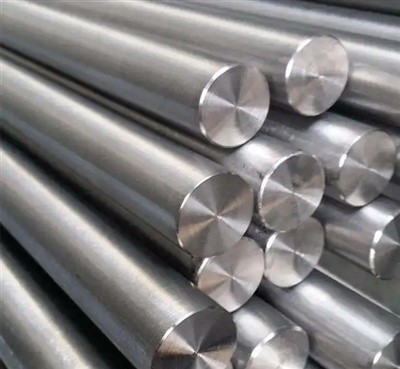
Stainless Steel Rod&Bar If you have any questions about the weight of stainless steel plates and sheets per square meter, or if you are ready to place an order, please feel free to contact us. We look forward to discussing your project and providing you with the best stainless steel solutions.
References
- ASM Handbook, Volume 13A: Corrosion. ASM International.
- Metals Handbook Desk Edition, Third Edition. ASM International.
- Stainless Steel – A Guide to Properties, Processing, and Applications. The Nickel Institute.
Henan Gnee New Material Co.,ltd
Gnee Super Alloy (Tianjin) Co., Ltd. is well-known as one of the leading stainless steel plate&sheet manufacturers and suppliers in China. We warmly welcome you to buy or wholesale high quality stainless steel plate&sheet in stock here and get free sample from our factory. For price consultation, contact us.
Address: 25th Floor, Huafu Commercial Center, Anyang, Henan Province, China
E-mail: ss@gneesteel.com
WebSite: https://www.superstainlessalloy.com/
