Can a chain plate feeder chain be used in a vibration – prone environment?
As a supplier of chain plate feeder chains, I’ve been asked numerous times whether our chains can be effectively used in vibration – prone environments. This is a crucial question, considering the diverse industrial settings where chain plate feeders operate. In this blog, I’ll delve into the technical aspects, advantages, and potential challenges of using chain plate feeder chains in such environments. Chain Plate Feeder Chain
Understanding Chain Plate Feeder Chains
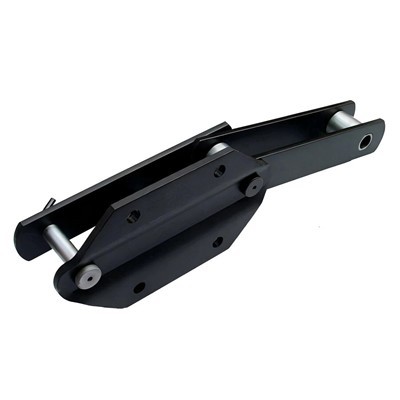
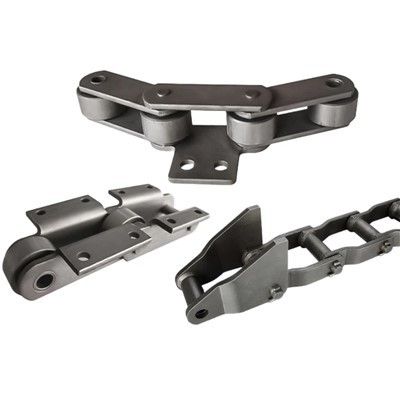
Before we discuss their suitability for vibration – prone environments, let’s briefly understand what chain plate feeder chains are. These chains are an integral part of chain plate feeders, which are widely used in industries such as mining, cement, and steel. They are designed to convey bulk materials, such as coal, ore, and gravel, from one point to another. The chain consists of a series of plates connected by pins, and it moves along a track, carrying the load.
The design of chain plate feeder chains offers several advantages. They have high load – carrying capacity, which allows them to handle large volumes of heavy materials. They are also relatively simple in construction, making them easy to maintain and repair. Additionally, they can operate at relatively high speeds, ensuring efficient material handling.
Characteristics of Vibration – Prone Environments
Vibration – prone environments are common in many industrial applications. For example, in mining operations, the use of heavy machinery, such as crushers and vibrating screens, generates significant vibrations. In the cement industry, the operation of kilns and mills also creates a vibrating environment. These vibrations can have various frequencies and amplitudes, depending on the source of the vibration and the operating conditions.
Vibrations in industrial settings can cause several problems for equipment. They can lead to increased wear and tear of components, as the constant shaking can cause parts to rub against each other more vigorously. Vibrations can also cause loosening of fasteners, such as bolts and nuts, which can lead to equipment failure. In addition, vibrations can affect the accuracy of material feeding, as the movement of the chain may become erratic.
Suitability of Chain Plate Feeder Chains in Vibration – Prone Environments
Now, let’s address the main question: Can a chain plate feeder chain be used in a vibration – prone environment? The answer is yes, but with certain considerations.
Advantages of Using Chain Plate Feeder Chains in Vibration – Prone Environments
- Robust Construction: Chain plate feeder chains are typically made of high – strength materials, such as alloy steel. This robust construction allows them to withstand the mechanical stress caused by vibrations. The plates and pins are designed to be durable, reducing the risk of breakage even under the influence of vibrations.
- Flexibility: The chain’s design allows for a certain degree of flexibility. This flexibility helps the chain to adapt to the vibrations without getting damaged. It can absorb some of the shock and vibration energy, preventing it from being transferred directly to the other components of the feeder.
- Self – Adjusting Nature: Chain plate feeder chains have a self – adjusting characteristic. As the chain wears over time, it can adjust its length slightly, which helps to maintain the proper tension in the chain. This is particularly important in a vibrating environment, as the vibrations can cause the chain tension to fluctuate.
Challenges and Mitigation Strategies
- Increased Wear: One of the main challenges of using chain plate feeder chains in a vibration – prone environment is increased wear. The constant vibrations can cause the chain to rub against the track and other components more aggressively, leading to faster wear of the chain and the associated parts. To mitigate this, we recommend using chains with hardened surfaces and lubricating the chain regularly. Lubrication reduces friction between the moving parts, thereby reducing wear.
- Loosening of Fasteners: Vibrations can cause the fasteners on the chain and the feeder to loosen. This can lead to misalignment of the chain and potential equipment failure. To prevent this, we suggest using locking nuts and bolts or applying thread – locking compounds. Regular inspections and tightening of fasteners are also essential to ensure the safe and efficient operation of the chain.
- Noise and Vibration Transmission: The chain can act as a medium for transmitting vibrations and noise. This can not only be a nuisance but also have an impact on the working environment. To reduce noise and vibration transmission, we can install vibration – dampening pads or isolators between the chain and the feeder structure.
Case Studies
To further illustrate the suitability of chain plate feeder chains in vibration – prone environments, let’s look at a few case studies.
In a large – scale mining operation, a chain plate feeder was installed in an area near a crusher, where vibrations were significant. The initial concern was that the chain would not be able to withstand the vibrations and would experience premature failure. However, after installing our high – strength chain plate feeder chain and implementing the recommended maintenance strategies, such as regular lubrication and fastener inspections, the chain has been operating smoothly for several years. The robust construction of the chain and the proper maintenance have allowed it to withstand the vibrations and continue to perform its material – conveying function effectively.
In a cement plant, a chain plate feeder was used to transport raw materials to a kiln. The area around the kiln was highly vibrating due to the operation of the equipment. By using a chain with a special vibration – resistant design and installing vibration – dampening components, the chain was able to operate without any major issues. The flexibility of the chain helped it to adapt to the vibrations, and the vibration – dampening components reduced the transmission of vibrations to the rest of the feeder structure.
Conclusion
In conclusion, chain plate feeder chains can be used in vibration – prone environments. Their robust construction, flexibility, and self – adjusting nature make them suitable for such applications. However, it is important to be aware of the potential challenges, such as increased wear and loosening of fasteners, and take appropriate mitigation measures.
Transmission Chain If you are looking for a reliable chain plate feeder chain for your vibration – prone environment, we are here to help. Our team of experts can provide you with the right chain solution based on your specific requirements. We have a wide range of chain products with different specifications and materials to meet the diverse needs of our customers. Contact us to start a discussion about your chain plate feeder chain needs, and let’s work together to ensure the efficient and safe operation of your equipment.
References
- "Handbook of Chain Engineering" by the Association of Chain Manufacturers
- "Industrial Vibration and Noise Control" by John Wiley & Sons
Zhejiang Hangte Chain Transmission Co., Ltd.
We are one of the most experienced chain plate feeder chain manufacturers and suppliers in China since 1999. Please rest assured to buy high quality chain plate feeder chain made in China here from our factory. If you have any enquiry about cooperation, please feel free to email us.
Address: No. 195 Qinglin East Street, Qingshan Lake Subdistrict, Lin’an District, Hangzhou City, Zhejiang Province
E-mail: hangtechain@gmail.com
WebSite: https://www.chinahtchain.com/
