Hey there! I’m a supplier of Flex PCBs, and I know how important it is to reduce the weight of these boards. Whether you’re in the consumer electronics, aerospace, or medical device industry, every gram counts. In this blog, I’ll share some practical tips on how to reduce the weight of Flex PCBs based on my years of experience in the business. Flex PCB

1. Choose the Right Materials
One of the most effective ways to reduce the weight of Flex PCBs is by carefully selecting the materials. Let’s break it down:
Substrate Materials
The substrate is the base layer of the Flex PCB. Traditional materials like polyimide are great, but they can be a bit heavy. There are now lighter alternatives available. For example, liquid crystal polymer (LCP) is a fantastic option. It’s not only lighter than polyimide but also offers excellent electrical properties, high chemical resistance, and good dimensional stability.
Another option is polyester. Polyester substrates are relatively lightweight and inexpensive. However, they have a lower temperature resistance compared to polyimide and LCP. So, if your application doesn’t involve high temperatures, polyester can be a great choice to cut down on weight and cost.
Copper Foil
The copper foil on Flex PCBs is also a significant contributor to weight. You can reduce the weight by using thinner copper foils. Most standard Flex PCBs use 1-ounce copper foil, but you can go down to 0.5-ounce or even 0.25-ounce copper foil if your design allows it. Thinner copper foils not only reduce weight but also can improve flexibility, which is a bonus for many Flex PCB applications.
2. Optimize the Design
The design of the Flex PCB plays a crucial role in its weight. Here are some design tips to help you shed those extra grams:
Trace Width and Spacing
When designing the traces on the Flex PCB, try to use the minimum trace width and spacing that your circuit requirements allow. By reducing the width of the traces, you can use less copper, which directly reduces the weight. However, make sure you don’t go too extreme, as it can affect the electrical performance of the board. You need to find the right balance.
Layer Count
The number of layers in a Flex PCB has a significant impact on its weight. If possible, try to reduce the layer count. For simple circuits, a single-layer or double-layer Flex PCB might be sufficient. Every additional layer adds more substrate and copper, increasing the weight. So, re – evaluate your design and see if you can merge some functions onto fewer layers.
Component Placement
Efficient component placement can also help in weight reduction. Try to avoid overcrowding the board. Make sure there’s enough space between components to prevent unnecessary material usage. Additionally, group components based on their functions, which can help in reducing the length of traces and thus save copper.
3. Use Lightweight Components
The components you choose to mount on the Flex PCB can also contribute to its overall weight. Here are some suggestions:
Integrated Circuits (ICs)
Look for smaller and lighter ICs. Manufacturers are constantly developing more compact and lightweight chips. By using these, you can significantly reduce the weight of the Flex PCB. For example, some of the latest microcontrollers come in very small form factors and consume less power, which is a double – win.
Passive Components
When it comes to passive components like resistors, capacitors, and inductors, opt for surface – mount devices (SMDs) instead of through – hole components. SMDs are generally smaller and lighter. You can also choose low – profile SMDs, which not only reduce weight but also take up less space on the board.
4. Manufacturing Process Optimization
The manufacturing process of Flex PCBs can also be tweaked to reduce weight.
Etching Process
A well – optimized etching process can remove excess copper more precisely. This ensures that only the necessary amount of copper remains on the board, reducing the overall weight. By carefully controlling the etching time and chemicals used, you can get a cleaner and lighter PCB.
Component Mounting
During the component mounting process, make sure that the adhesive used to attach components is as light as possible. High – strength, low – weight adhesives are available in the market. Also, proper mounting techniques should be used to ensure that components are securely attached without using excessive amounts of adhesive.
5. Testing and Quality Control
After manufacturing the Flex PCB, testing and quality control are essential. By conducting thorough tests, you can identify and remove any defective or unnecessary components or areas of the board, which can further reduce weight.
For example, if a particular test reveals that a certain trace is not functioning correctly and is not essential for the overall circuit, it can be removed. This not only improves the reliability of the board but also reduces its weight.
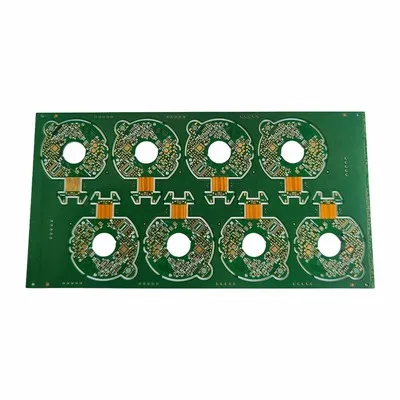
In conclusion, reducing the weight of Flex PCBs is a multi – faceted process that involves material selection, design optimization, component choice, manufacturing process adjustment, and quality control. By implementing these strategies, you can create lighter, more efficient Flex PCBs that meet the demands of today’s industries.
Quick Turn PCB Assembly If you’re looking to source high – quality and lightweight Flex PCBs, I’d love to have a chat with you. We’ve got the expertise and the resources to help you create the perfect Flex PCB for your specific application. Whether you’re in the early stages of design or looking to optimize an existing product, we can provide valuable insights and solutions. Reach out to us for a procurement discussion, and let’s work together to make your Flex PCB requirements a reality.
References
- "Flexible Printed Circuit Technology" by Paul van Zant.
- Industry whitepapers on advanced Flex PCB materials and design.
- Manufacturer datasheets for lightweight components and PCB materials.
Huaswin Electronics Technology Co., Ltd.
Address: Building A2, Hao Hai Hong Industrial Park, No.3 Yu He Road, Gong He, Sha Jing, Bao An, Shenzhen
E-mail: sales@huaswin.com
WebSite: https://www.huaswin-pcba.com/
