If you’ve ever picked up a wine bottle, a skincare box, a craft beer can, or even a children’s toy package, you’ve held a product that relied on small, precise patterns to stand out. Those patterns—maybe a crisp logo, a gradient color band, or tiny text that’s sharp even under a magnifying glass—aren’t just printed with a standard flexo or offset plate. For the label industry, that level of detail, consistency, and durability? It all starts with a micro gravure roll. As someone who’s spent 12 years sourcing, testing, and supplying these rolls to label converters big and small, I’ve seen first-hand how this often-overlooked component turns a generic label into something that gets noticed (and stays intact through shipping, cold storage, and even a customer’s busy day). Let’s break down exactly how a micro gravure roll fits into the label supply chain, why it matters more than most people realize, and why choosing the right supplier makes all the difference. Micro Gravure Roll
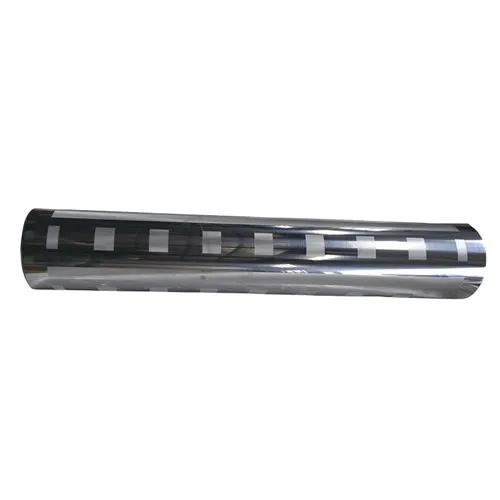
First, let’s clear up what a micro gravure roll is, because it’s not the same as the wide-format gravure rolls you might see for large magazine prints. At its core, it’s a steel cylinder (usually 3 to 12 inches in diameter, depending on the press) covered in millions of tiny, uniform cells—those are the “gravure cells.” Unlike a traditional gravure roll, which uses larger cells to hold more ink, micro gravure cells are measured in microns (one micron is 1/1000 of a millimeter; a human hair is about 70 microns thick). For label work, cell depths rarely exceed 15 microns, and cell densities can hit 400 cells per square centimeter or higher. That precision is non-negotiable for labels, because label printing has unique constraints: most labels are run on flexible substrates (paper, film, foils, even specialty materials like glossy polyester or matte vinyl) that stretch or flex during production, and they need ink that doesn’t smudge, fade, or peel off once applied.
Here’s where the micro gravure roll becomes critical: it controls the amount of ink transferred to the label, and the quality of that transfer. Let’s compare it to what happens with other common label printing methods, because that context makes the value obvious. Flexo printing, for example, uses a rubber “anilox” roll (a close cousin to the gravure roll, but with coarser cells) and a flexible plate. It’s fast and cheap for large runs, but the rubber plate can distort over time, leading to uneven ink laydown, blurry text, or faded gradients. Offset lithography is great for sharp text, but it relies on water and chemical processes that don’t play well with the flexible substrates many labels use—especially food packaging or cosmetic labels that need to resist oils. Digital printing? Perfect for small runs, but ink jet inks can scratch off paper, and the resolution tops out around 1200 dpi, which means tiny text (like a nutrition panel that’s 8pt font) often looks fuzzy.
Micro gravure avoids all those pain points, and that’s why it’s become the go-to for high-quality label applications over the last 15 years. Let’s get specific on the mechanics of how it works: when the press runs, the micro gravure roll dips into an ink tray (or, for modern closed-system presses, a doctor blade that scrapes excess ink off the roll’s surface). Each tiny cell holds a precise volume of ink—so many cells, all identical, that every square inch of the label gets the exact same amount of ink. No over-inking (which causes smudging on flexible substrates) or under-inking (which makes text look thin or colors muted). For a craft beer label with a deep navy gradient, that means the color is uniform from the first bottle to the last, even if the press runs 10,000 labels. For a pharmaceutical label with a 5pt lot number printed along the edge, there’s no blur—because the micro cells transfer ink directly onto the substrate, no rubber plate to distort the line.
But it’s not just about quality for quality’s sake. For the label industry, there’s a huge push right now for sustainability—shorter runs, less waste, and materials that are recyclable or compostable—and micro gravure plays right into that. Let’s talk about waste first: when you’re printing 50,000 labels instead of 500,000 (a trend in label work, as brands launch small batches or limited editions), you don’t want to waste 10% of your run on bad prints because of inconsistent ink transfer. Micro gravure rolls have a much longer press run life than anilox rolls or even digital plates—we regularly supply rolls that last 2 million+ impressions without significant wear, which means fewer changeovers and less scrap during production. Also, because micro gravure uses less ink than flexo (thanks to precise cell volume), it reduces ink consumption by 15-25% for most label jobs, according to a 2022 study from the Label and Narrow Web Association (LNA). For brands that print millions of labels a year, that’s thousands of dollars saved on ink, plus less ink waste going to landfills.
Sustainability also ties into the substrates labels use. More brands are switching from virgin plastic to recycled film or compostable paper, but those materials are thinner and more prone to stretching than traditional materials. Micro gravure’s precise ink laydown adapts to that: because the cell volume is calibrated for the specific substrate, you don’t get uneven saturation when the material stretches during press operation. I worked with a craft brand in Oregon that switched to compostable labels for their seasonal cider, and they were originally frustrated because their flexo plates were causing the thin compostable paper to tear during printing and the ink to smudge when the label was applied to a cold bottle. We supplied them with a micro gravure roll calibrated for 8pt cells, and within a month, their scrap rate dropped from 12% to less than 1%—that’s a huge win for their sustainability goals and their production budget.
Another big part of the label industry is regulatory compliance, especially for food and pharmaceutical labels. In the U.S., the FDA requires nutrition facts panels and lot numbers to be legible, and in the EU, packaging labels for food, cosmetics, and medical devices have strict rules about text size and color contrast. Micro gravure’s sharp, consistent print makes it easy to meet those rules—there’s no way a tiny text line will blur enough to be unreadable, even if the label is scanned at a store checkout or read by a consumer with mild vision issues. I’ve had pharmaceutical converters reach out to me specifically because they were having trouble meeting FDA requirements for controlled substance labels; the micro gravure roll I supplied them transferred 12pt text with a 0.5mm line weight that was crisp enough to pass every inspection, even when the substrate was a thin foil that often blurs lines with flexo.
Now, let’s address a common misconception: some label converters think micro gravure is only for high-end, high-volume jobs, but that’s not true. Modern micro gravure rolls are customizable for any run size, from 1,000 labels (small-batch craft products) to 1 million (national retail brands). The key is choosing a supplier that can tailor the roll to your specific press, substrate, and ink type, not just a one-size-fits-all roll. I see this mistake all the time: a converter buys a cheap micro gravure roll from a general industrial supplier, and it fails after 100,000 impressions, has uneven cells, or doesn’t transfer ink correctly. Why? Because general suppliers don’t understand the unique needs of the label industry—they make rolls for packaging, textiles, or electronics, not for narrow-web label presses that run flexible materials.
As a micro gravure roll supplier, our job isn’t just to sell a cylinder with cells in it. It’s to design, test, and refine a roll that solves a specific problem for each converter. For example, if a converter is printing metallic foil labels for a luxury perfume line, we need to use a diamond-engraved micro gravure roll (not laser engraved, which leaves rough edges that catch foil ink) with cells calibrated to hold metallic ink—since metallic inks are thicker, they need slightly deeper cells (10-12 microns, instead of 5-8 for regular ink) to transfer evenly without flaking off. If a converter is printing UV-curable ink labels for a food product that gets washed repeatedly (like a beer bottle that goes through a dishwasher), we use a chrome-plated roll that resists chemical wear and has cells with a slightly rounded bottom, which prevents the UV ink from drying out in the cells between press runs.
That level of customization is why micro gravure rolls are such a critical, underrated part of the label supply chain. Let’s also talk about press downtime, because every minute a press is idle costs money. When a flexo press plate tears or an anilox roll wears out, a converter might need to wait 3-5 days for a replacement. A quality micro gravure roll, on the other hand, is made with durable steel and precision engraving, so downtime for roll changeovers is minimal—we supply rolls that can be cleaned and re-engraved if needed, extending their life even further. I have a long-time client in Texas that produces labels for 12 different craft brands; they changed their micro gravure rolls only twice a year, compared to four times a year for their anilox rolls, and their press uptime increased by 8% after they switched exclusively to micro gravure for their fine print jobs.
Now, let’s get to the practical side: how do you know if a micro gravure roll is right for your label operation? It comes down to three questions: 1) What quality do you need for your print? If you’re printing sharp text, gradients, or metallic effects, micro gravure is a better fit than flexo or digital. 2) What’s your substrate? If you’re working with thin, flexible, or specialty materials (compostable paper, foil, recycled film), micro gravure’s precise ink transfer reduces waste. 3) What’s your run size? Even small runs can benefit from micro gravure’s consistent print, especially if you want to avoid reprints.
But here’s the thing: even if you know micro gravure is the right choice, not all suppliers are equal. A bad micro gravure roll can ruin a perfect label job—cells that are too deep will cause ink pooling, cells that are too shallow will lead to thin text, uneven cell spacing will cause banding (those faint horizontal lines you see on bad prints). That’s why, when you’re choosing a micro gravure roll supplier, look for someone who works exclusively with the label industry, not just general manufacturing. They should offer custom engraving (not pre-made rolls), have a track record of working with narrow-web presses, and provide testing to make sure the roll works with your specific ink and substrate.
I’ve seen too many converters waste money on cheap rolls that don’t perform, so let me share a quick example from last year: a small candy brand in Wisconsin reached out to me after they had a bad experience with a general supplier. They were printing 5,000 labels for their new sour candy line, and the roll they bought had cells that were too uneven, so the candy’s logo had faint white streaks across it. They ended up reprinting the entire run, costing them $1,200 in materials and press time. When they worked with me, we engraved a custom micro gravure roll with 350 cells per square centimeter, calibrated for their matte paper and water-based ink, and their next run had zero streaks, 2% scrap, and they launched their line on time.
So, to circle back to the original question: how does a micro gravure roll contribute to the label industry? It’s the backbone of high-quality, sustainable, regulatory-compliant labels that brands rely on to connect with consumers. It reduces waste, cuts press downtime, and makes even the smallest text or most subtle gradient look crisp and durable. For converters, it’s not just a component—it’s a tool that lets them take on jobs they couldn’t do with other methods, from fine print pharmaceutical labels to metallic luxury packaging.
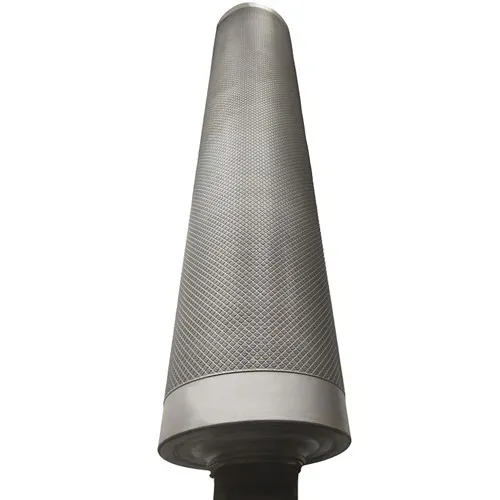
If you’re a label converter, brand manager, or someone looking to upgrade your label printing process, a quality micro gravure roll might be the missing piece to solve your biggest print challenges. We’ve helped dozens of converters across the U.S. reduce scrap, improve print quality, and lower ink costs, and we’re ready to work with you to design a roll tailored to your specific needs. Reach out to us to discuss your next label project, and let’s figure out how micro gravure can take your labels from good to exceptional.
Embossing Roller References
- Label and Narrow Web Association (LNA). (2022). "Micro Gravure for Narrow Web Label Printing: Efficiency and Sustainability Benefits." LNA Technical Bulletin.
- Smith, J. (2021). "Ink Transfer Technology for Flexible Packaging: A Comparison of Flexo, Gravure, and Digital Methods." Journal of Packaging Science and Technology.
- U.S. Food and Drug Administration (FDA). (2023). "Guidance for Industry: Labeling Requirements for Prescription Drugs and Over-the-Counter Drugs." FDA Compliance Documents.
- European Commission. (2022). "Regulation (EU) 2019/1009 on Fertilizing Products, Labeling Requirements for Packaging Materials." Official Journal of the European Union.
Kunshan Hanhan Co., Ltd.
We’re well-known as one of the leading micro gravure roll manufacturers and suppliers in China. We warmly welcome you to buy high quality micro gravure roll made in China here from our factory. If you have any enquiry about cooperation, please feel free to email us.
Address: No. 1093, B Zone, No. 2 Xugongqiao Rd, Huaqiao Town, Kunshan City, Suzhou, Jiangsu, China
E-mail: info@kshhroller.com
WebSite: https://www.kshh-roller.com/
