If you’ve ever rummeled through a sewing kit looking for a 2-inch embroidery hoop or a spool of red thread and come up empty-handed, you know how much small, scattered supplies can derail even the most relaxed sewing session. As a woven organizing bags supplier, I get asked this question constantly—mostly from fellow sewists who’ve swapped plastic storage bins for more eco-friendly options, or from hobbyists tired of their supplies getting crushed, snagged, or dust-covered. The short answer is: yes, you absolutely can use woven organizing bags for sewing supplies. But like any storage solution, it works best when you match the bag’s design to the specific supplies you’re tucking away, and when you account for the unique needs of sewing tools and materials. Let’s break this down, from my years of working with both the manufacturing side of woven bags and the feedback from sewists who use our products every day. Woven Organizing Bags

First, let’s talk about what makes woven organizing bags different from the old plastic bins or flimsy fabric pouches many people used before. Our woven bags are made from tightly interlaced synthetic or natural fibers—think polypropylene, cotton canvas, or jute, depending on the line—stitched into a flexible, structured shape that holds its form without being rigid. That flexibility is a huge win for sewing supplies, because most of these items aren’t uniform: spools of thread, scissors, pins, patterns, and notions come in all sorts of sizes and shapes. Rigid plastic bins can be hard to dig into, and they’re prone to cracking if you stack too many on a shelf. Woven bags, on the other hand, are portable, so you can take your entire sewing kit to a friend’s house or a class without dumping a bin out, and their breathable weave is a game-changer for items that hate being trapped in closed, airless spaces.
Wait, breathable weave? That’s a big one for sewing supplies. Thread is made of natural fibers (cotton, silk, wool) or synthetics, and all of them can develop mildew or mold if stored in a sealed plastic container for long periods, especially in humid climates. I’ve had a customer email me once, saying she kept her grandma’s vintage cotton thread in a plastic bin in her basement, and by the next year, half the spools had fuzzy white spots from moisture trapped inside. Switching to a medium-sized woven organizing bag solved that problem completely— the weave lets air circulate, so moisture evaporates instead of sitting on the thread. The same goes for sewing patterns, which are often printed on paper or thin fabric. Storing them in a sealed bin can make them curl, fade, or attract paper-eating pests like silverfish. Woven bags keep patterns protected from dust while allowing air to flow, so they stay flat and readable for years.
But here’s the catch: not all woven bags are created equal, and some work better for specific sewing supplies than others. Let’s go through the most common sewing items and how our woven bags fit (or don’t fit) each one.
Starting with the most essential: thread. A standard sewing thread spool is about 1.5 inches wide and 2.5 inches tall, right? So for thread storage, you want a woven bag with enough internal space to hold spools without stacking them too high, because stacking can cause lower spools to dent or their thread to become twisted. We make small, zippered woven pouches that are perfect for storing 10 to 15 spools of regular thread; they’re tall enough to stand spools upright, so you can see the color and brand at a glance without digging. For larger collections—like a sewer who has 50+ spools for quilting or garment sewing—our medium woven totes with multiple internal slip pockets are ideal. The pockets are stitched just the right width to hold spools, and they prevent them from rolling around when you carry the bag. I once watched a quilter bring one of these totes to a workshop, and she pulled out a spool of navy blue thread in less than 10 seconds, which would have taken her twice as long if everything was loose in a bin.
Next up: sharp tools. Scissors, rotary cutters, seam rippers, and embroidery needles are items you don’t want bouncing around in a bag where they can snag thread or poke through the fabric lining. When we design our woven bags, we often line smaller pouches with a thin layer of non-woven fabric or soft vinyl to protect both the tools and the bag itself. For example, our tool-specific woven bags have a dedicated pocket for scissors with a fabric flap to tuck over the blades, so they don’t scratch the inside of the bag or catch on other supplies. Needles can be stored in small woven bags that have a built-in needle case slot, or even a few small felt-lined pockets that keep them from falling out—way more convenient than shoving them in a junk drawer or a random plastic bag.
What about larger supplies? Things like patterns, fabric scraps, rulers, and small cutting mats. Quilters often have stacks of 8×11 inch pattern templates or 24×36 inch cutting mats, and storing these in woven bags works really well as long as you pick the right size. Our large rectangular woven totes are designed to lay flat, so you can slide a cutting mat or stack of patterns inside without bending or creasing them, which is a huge plus. Fabric scraps, especially cotton scraps, love being stored in woven bags because the breathability prevents them from getting musty, and the open weave makes it easy to see different colors and prints without pulling every scrap out. We’ve had customers use our extra-large woven laundry bags (wait, no, our large organizing totes—we don’t make laundry bags) for storing larger yards of fabric they’re not using right now, as long as they don’t leave them in direct sunlight for too long. The natural fibers in some woven bags, like jute, can fade if exposed to prolonged UV light, so if you’re storing fabric near a window, a synthetic polypropylene woven bag is a better choice, since it’s fade-resistant.
Now, let’s talk about the downsides—because no storage solution is perfect, and I don’t want to sugarcoat this. The biggest complaint I hear about woven organizing bags for sewing supplies is that they’re not as water-resistant as hard plastic. If you spill a glass of water on a plastic bin, you can just wipe it up, but if it spills on a woven bag, the fibers will absorb some of the moisture. The good news is that most woven bags we make have a water-repellent coating on the interior, so small spills wipe off easily, and if a bag does get wet, you can just hang it up to dry overnight. Another downside is that very small items, like straight pins, bobbins, or tiny buttons, can slip through the gaps in a woven bag if the weave is too loose. That’s why we design all our sewing-specific woven bags with a tighter weave— about 10 threads per square inch, compared to the 6 threads per square inch we use for general storage bags—so even small pins can’t slip through. We also add small, mesh liners for these tiny items, so you can keep them organized without worrying about losing them.
Another common concern is durability. Some sewists worry that woven bags will stretch or tear if you overload them with heavy supplies, like a rotary cutter and a dozen large rulers. From our testing and feedback from thousands of customers, that’s only a problem if you overload a bag that’s not designed for heavy items. Our woven bags use reinforced stitching along the bottom and sides, so a medium tote can hold up to 20 pounds of supplies without stretching. We recommend not overloading them, though, because even the best-woven bag is meant for soft, flexible sewing supplies, not heavy hard tools that would be better stored in a rigid bin. For those heavy tools, we make a line of woven bags with extra-thick weave and double stitching that works perfectly.
Let me also share a specific customer story that stuck with me, because it shows how these bags fit into real sewing lives, not just marketing copy. A customer named Sarah reached out to me last year, saying she’s a full-time seamstress who used to store her supplies in three plastic bins under her worktable. She’d spend 15 minutes every morning digging through the bins to find what she needed, and she’d often come home from a weekend sewing market with her supplies jumbled together, making it hard to organize new inventory. She switched to five of our woven organizing bags: one for thread, one for tools, one for patterns, one for fabric scraps, and one for buttons and notions. Within a month, she emailed again saying she’d cut her morning prep time in half, her supplies hadn’t developed any mildew over the humid summer, and she could throw the whole set of bags in her car for market trips without worrying about them breaking. That’s the kind of win I love to hear about, because it’s not just a storage solution—it’s something that makes sewing more enjoyable, which is what it’s all about.
So, if you’re thinking about making the switch to woven organizing bags for your sewing supplies, here are a few quick tips to make it work: first, sort your supplies into categories before buying. Don’t just buy a random large tote—think about how much thread you have, how many tools you need to store, and what sizes will fit your workspace. If you have limited shelf space, look for woven bags with handles that let you hang them on a pegboard or a hook, which saves counter space. Second, avoid direct sunlight if you’re storing natural fiber supplies (thread, fabric, patterns) in natural woven bags like cotton or jute; synthetic polypropylene bags are a better choice for sun-exposed areas. Third, for small, loose items like pins and buttons, use woven bags with internal pockets or mesh liners to keep them from getting lost.
At the end of the day, woven organizing bags check a lot of boxes for sewists: they’re eco-friendly, breathable, portable, and customizable to fit the way you work. They’re not going to replace every plastic bin in your closet, especially for heavy tools or items that need maximum protection from hard impacts, but for the bulk of your sewing supplies, they’re a great, practical choice.
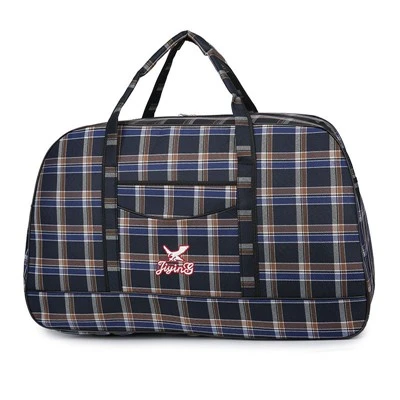
If you’re ready to test out woven organizing bags for your own sewing space, we’d love to help you find the right fit. Whether you need small pouches for thread or large totes for patterns and fabric scraps, we offer a range of sizes and designs tailored specifically to sewing needs. We work with both individual sewists and small sewing businesses, and we can help you customize bags if you have specific needs, like color-coded pouches for different types of thread. Feel free to reach out to our team to discuss your storage needs and get a quote for your order.
Woven Duffel Bags References:
- Textile Institute. (2021). Breathable storage solutions for household goods: Fiber weave properties and moisture management. Journal of Textile and Apparel, Technology and Management.
- Sewing Industry Association. (2022). Best practices for storing sewing supplies to extend product lifespan. Sewing Industry Annual Report.
- International Organization for Standardization. (2019). Woven container specifications for household storage: Durability and functionality standards. ISO 14001:2015.
Baigou New City Aoran Bag Manufacturing Co., Ltd.
We’re well-known as one of the leading woven organizing bags manufacturers and suppliers in China. With abundant experience, we warmly welcome you to wholesale bulk high quality woven organizing bags made in China here from our factory. Customized orders are welcome.
Address: No. 01, Sizhuang Town Industrial Park, Gaobeidian City, Baoding City, Hebei Province
E-mail: aoran1988@outlook.com
WebSite: https://www.aoranluggage.com/
