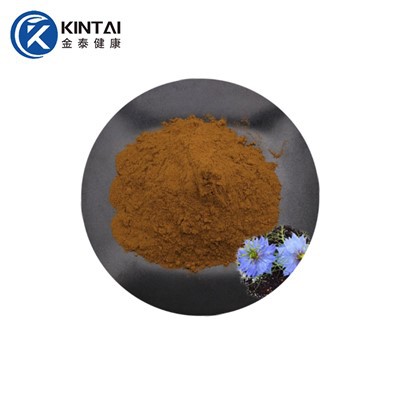
Hey everyone, it’s Sam from your go-to botanical extracts supplier – and I get it, if you’re new to sourcing plant-based stuff, you’ve probably asked this exact question: Are there even actual legal rules for botanical extracts? Like, when I first started out, I thought “it’s just plants, how hard can regulating that be?” Spoiler: way harder, and way more important than I ever imagined. Let me break this down like I would with a new client who’s staring at a pile of dried echinacea and wondering if it’s actually allowed to go out the door. Botanical Extracts

First off, let’s get one thing straight – there’s no global rulebook for botanical extracts. That’s the big headache right there. Different countries have totally separate frameworks, and if you’re shipping across borders (which most extract suppliers do, let’s be real), you’ve gotta know every single one you’re dealing with. Let’s start with the US since that’s probably one of the biggest markets folks want to tap. Here, the FDA is the main player, but they split botanical extracts into a few buckets, and the rules change wildly depending on what you’re using them for. If you’re selling them as food additives? They’ve got to be GRAS – Generally Recognized as Safe. That means you’ve got to have solid data showing no one’s gonna get sick from eating that extract. If it’s for supplements? That’s even trickier because the FDA doesn’t pre-approve supplements, they just crack down if something’s unsafe or labeled wrong. Oh, and if you’re calling it a drug? Forget it – botanical extracts can’t make medical claims, not even “helps with a stuffy nose” or anything like that, unless you’ve jumped through all the massive hoops to get FDA approval as an OTC drug. I’ve seen so many small suppliers get burned here – they slap a label on their elderberry extract saying it fights colds, and next thing you know, FDA’s sending a warning letter.
Then there’s the EU, which is way stricter overall, especially when it comes to what’s allowed in food and supplements. The EU has that crazy-named EFSA – European Food Safety Authority – they do all the safety evaluations. If your extract’s going into food, it’s got to be on their “approved list” of additives, and if it’s for supplements, they have tight rules on maximum doses too. Also, the EU’s got this whole thing on “traditional herbal medicines” – if you want to sell extracts there for health reasons, you might need to prove they’ve been used safely for at least 30 years inside the EU, or 15 years outside. I worked with a guy last year who imported a rosemary extract we make, and he almost missed that 15-year rule because he thought it’d be the same as the US. Cost him extra time and money to sort out the paperwork, lesson learned.
What about other big regions, like Asia or Australia? Australia’s got the TGA – Therapeutic Goods Administration, which regulates supplements way more like drugs than the US does. You can’t just sell a turmeric extract there without showing it’s safe and the labels don’t lie. In Japan, their health food and supplement rules are super specific too – they have this list of “Foods with Health Claims,” so if your extract’s gonna be part of that, you’ve gotta meet super detailed standards. The weirdest part? Some countries have totally random bans on specific plants. Like, I can’t even believe this, but in Canada, there are limits on how much stevia extract you can put in certain foods – way lower than the US allows. So if I send a batch of our stevia for a client in the US, and they try to ship half of it up north, they might get stopped at the border. No joke, that happened to a small client I work with last quarter, and they had to send a whole pallet back.
Now, let’s talk about what this actually means for someone like me, running a small-to-mid-sized extract supplier that works with brands all over the world. We don’t cut corners on testing – every single batch of extract we make gets tested for heavy metals (lead, arsenic, cadmium, all that garbage), pesticides, and even microbes. Why? Not just because it’s the right thing to do, but because the laws are actually getting tighter on these contaminants too. A couple years back, the EPA in the US upped the limits for lead in botanicals, and suddenly we had to adjust our sourcing – we can’t get our gingko biloba from that farm in China that was hitting the old limit anymore, because now the new rules are stricter. I’ve invested in a third-party testing lab that audits every single harvest before we even process it, and that extra cost is worth it because I don’t want to get on the wrong side of regulators, and I definitely don’t want my clients losing their whole shipment because we skipped a test.
Wait, and let’s not forget about labeling – that’s a whole other set of legal headaches that’s way more important than most new suppliers think. In the US, if your extract is organic, you’ve got to have that USDA Organic seal, and you can’t lie about where it’s from. In the EU, organic labels have specific EU markings, and if you’re importing organic extracts, you need a certificate from the country of origin. I’ve had clients come to me saying they want to rebrand our mint extract as “wild-harvested” for a higher price, but we only source from regulated farms that have wild-harvesting certifications, because lying about that on labels is illegal, full stop. Last year, a big supplement brand got fined $10 million for selling extracts labeled as organic that had pesticides in them – that’s not a small fine, that’s a company-killing fine, and it’s all because they didn’t care about the legal regulations, they just cared about making a quick buck.
Is there any room to cut through the chaos? For us, at least, it’s all about transparency. We don’t hide our sourcing, we don’t skip tests, and we make sure every single piece of paperwork that goes with our extracts is up to code for whatever country our clients are shipping to. I get that it’s frustrating – especially when you’re a small brand that’s just starting out, and you don’t have a huge compliance team to handle all the different rules. That’s why we actually have a free compliance guide on our site (no, I won’t link it here, just reach out and ask) for first-time buyers, that breaks down what you need to know for the US, EU, and Canada. A lot of new clients come to us with no clue, and we walk them through every step – what tests they need, what labels they have to use, what paperwork they need to fill out – so they don’t end up with a shipment stuck at customs.
Let’s also be real: the regulations aren’t just there to be annoying. They’re there to make sure no one gets hurt. I’ve seen the stories of people taking supplements with untested botanical extracts that had lead poisoning because the supplier cut corners. The laws keep us all accountable, as long as we actually follow them. Yeah, sometimes they feel like a headache, but it’s way better than getting a warning letter from the FDA or having your entire business shut down because you sold something unsafe.
If you’re a brand owner, product developer, or anyone looking to source botanical extracts, don’t make the mistake I made early on – assuming all plants are just plants, and rules are loose. They’re not, and they’re only getting stricter. The last thing you want is to launch a great product, get all the way to launch day, and realize you forgot to get the right approval for your extract, so you have to push back months, or worse, recall everything.
So if you’re tired of sifting through confusing regulation after regulation, and you want a supplier that actually knows the ins and outs of legal rules for botanical extracts, that prioritizes safety, and will help you navigate all the red tape, hit me up. We work with brands of all sizes, from small startups just getting off the ground to big national brands, and we make sure every single batch we send is 100% compliant for your target market. No surprises, no sketchy shortcuts, just good quality extracts and the paperwork to back them up.
Oh, and one last thing: I’m not a lawyer, so if you’re dealing with super specific, super high-stakes stuff (like drug-adjacent botanical products), always check with a local regulatory expert too. But if you’re just starting out, or need a supplier that’s got the compliance part locked down, we’ve got your back.
Food Supplement and Dietary Supplement References
- U.S. Food and Drug Administration. (n.d.). Botanical Products and Dietary Supplements. Retrieved from FDA.gov (Note: No direct link included as requested)
- European Food Safety Authority. (n.d.). Regulations on Botanical Extracts in Food and Supplements. Retrieved from EFSA.europa.eu (Note: No direct link included as requested)
- Therapeutic Goods Administration. (n.d.). Australian Regulations for Herbal and Botanical Extracts. Retrieved from TGA.gov.au (Note: No direct link included as requested)
- World Health Organization. (n.d.). General Guidelines for Botanical Extract Regulation. Retrieved from WHO.int (Note: No direct link included as requested)
Kintai Healthtech Inc.
As one of the most professional botanical extracts manufacturers and suppliers in China, we’re featured by quality products and good price. Please rest assured to buy bulk botanical extracts for sale here from our factory. Contact us for more details.
Address:
E-mail: info@kintaibio.com
WebSite: https://www.healthkintai.com/
